Corporate Gifting
Corporate Gift Ideas in Singapore: A Practical Buyer's Guide
A clear framework for choosing useful gifts, briefing your supplier and avoiding the common problems that delay corporate orders.
The best corporate gift is not necessarily the newest or most expensive item. It is the one that suits the recipient, typically supporting the occasion and representing your brand without becoming clutter.
For procurement, HR and marketing teams in Singapore, the real challenge is coordinating product selection, artwork, quantity, packaging and delivery. This guide turns those decisions into a practical brief you can use with a corporate gift supplier.
Start with the purpose, not the product
Before browsing catalogues, decide what the gift must achieve. A welcome kit for new employees has a different job from an event giveaway or a year-end client gift. Purpose narrows the product range and makes every later decision easier.
Think about where the gift will be used, how long it should remain useful and what the recipient should feel when they receive it. A practical daily-use item creates repeated brand exposure, while a curated set can communicate appreciation and occasion.
- Employee onboarding: useful items that support the first weeks at work.
- Client appreciation: better-finished pieces with thoughtful presentation.
- Events and conferences: portable items that are easy to distribute.
- Campaign launches: products that connect directly to the campaign idea.
- Schools and public organisations: durable, inclusive options with clear specifications.
Match the idea to the recipient
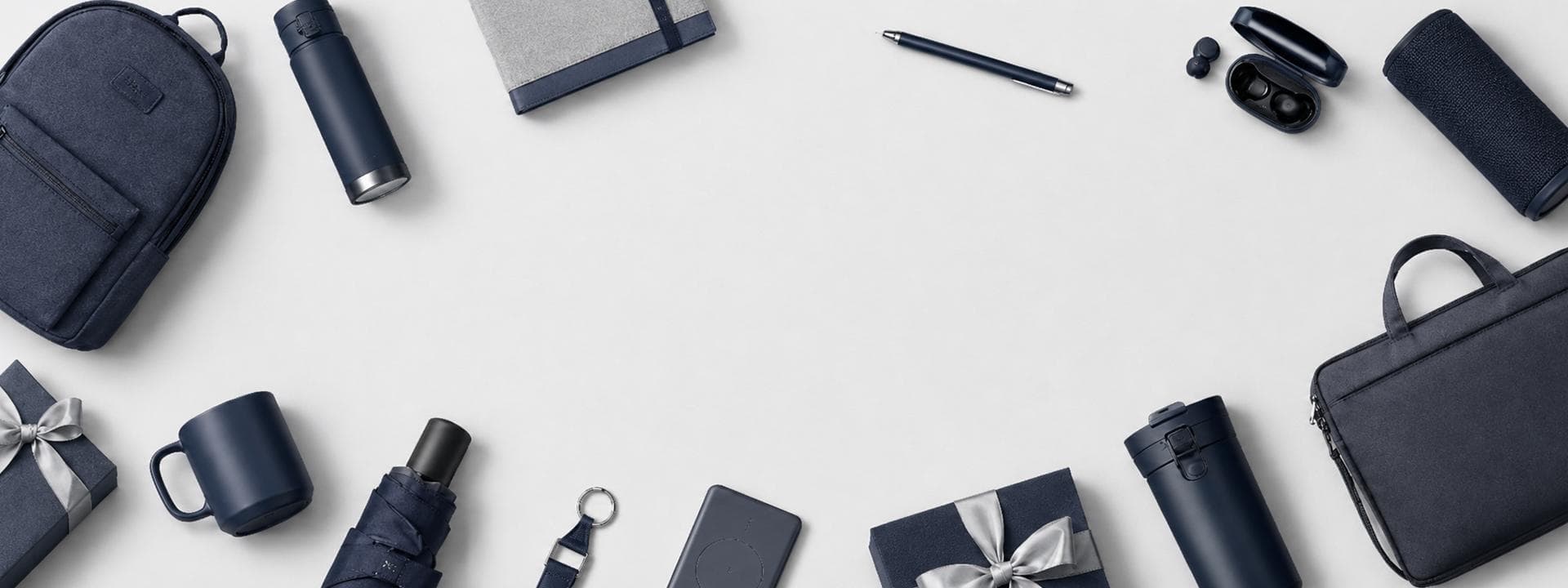
A broad audience usually benefits from simple, versatile products. Drinkware, tote bags, notebooks, travel accessories and compact electronics work because recipients understand them immediately. Smaller or more defined groups allow for more specialised choices.
Avoid selecting an item only because it looks impressive in a catalogue. Consider size, weight, charging standards, care requirements and whether recipients are likely to use it. Usability protects both the budget and the brand impression.
Corporate gift categories that work across common use cases
There is no universal best gift, but several categories adapt well to different programmes. The right choice depends on the audience, branding area and delivery method.
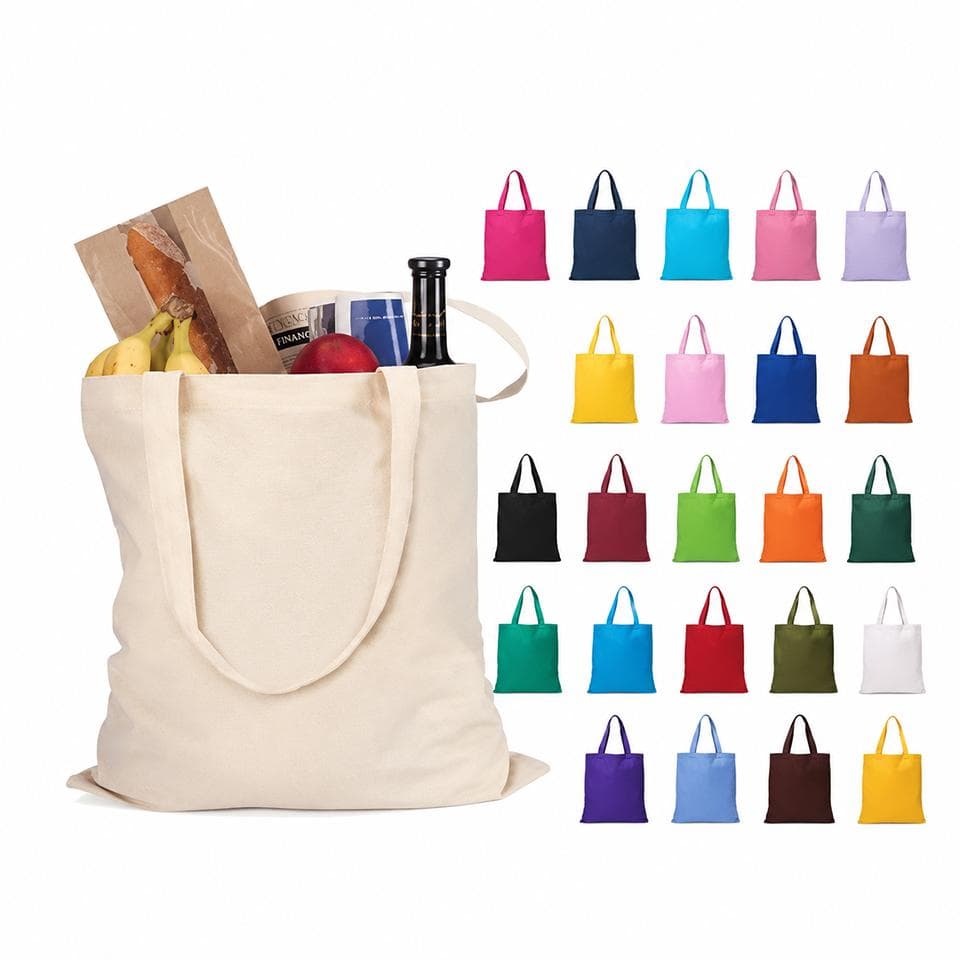
- Bags and pouches for events, onboarding kits and everyday carrying.
- Drinkware for office teams, wellness campaigns and client gifts.
- Office and stationery products for conferences and professional programmes.
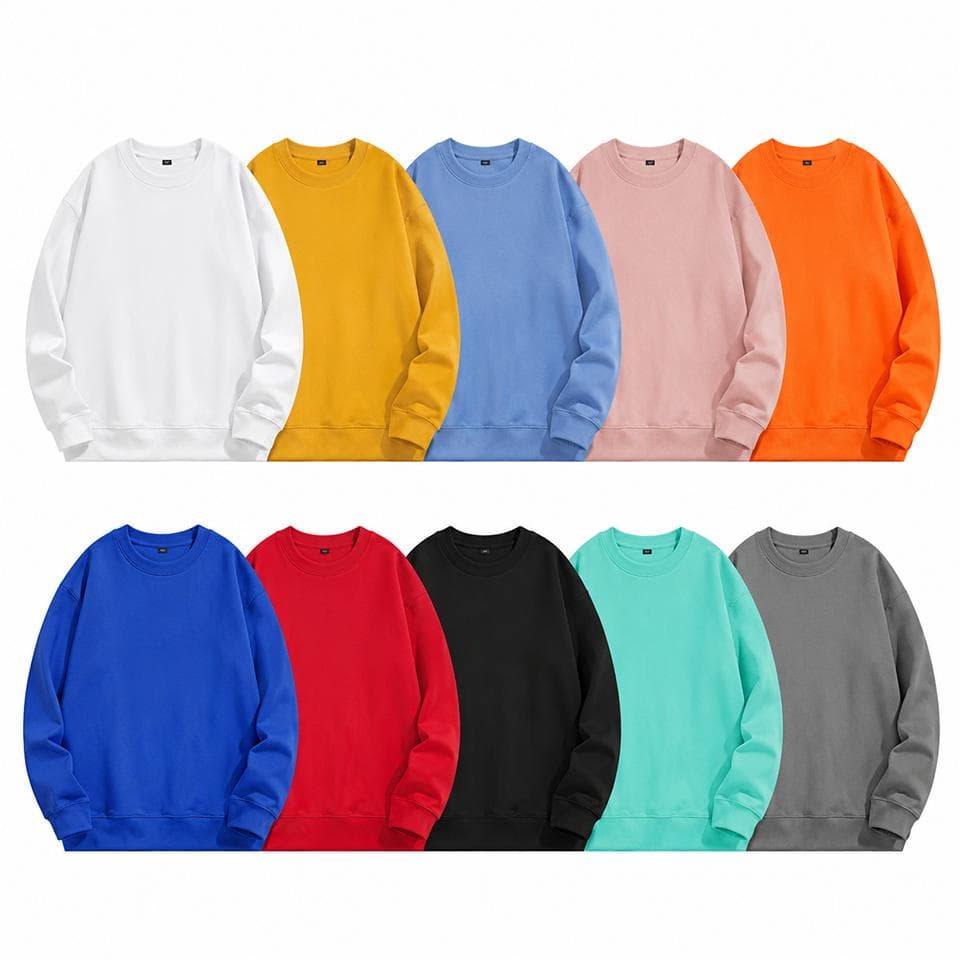
- Apparel for staff uniforms, team activities and public-facing events.
- Travel accessories for mobile teams and premium appreciation sets.
- Electronics for technology campaigns and higher-value recipient groups.
- Home and living items for lifestyle-led campaigns and festive gifting.
Shortlist two or three product directions before requesting samples. This keeps review focused and reduces artwork rework.
Use branding with restraint
Corporate gifts should feel useful first and branded second. A logo that overwhelms the product can reduce how often the recipient uses it. Subtle placement, suitable print size and colours that work with the product usually create a more polished result.
Ask for an artwork proof that shows scale and position, not just a logo pasted onto a generic photograph. For complex orders, a physical sample can help confirm colour, texture, print quality and packaging before production.
What to include in your supplier brief
A complete brief helps a supplier recommend realistic options instead of returning a long, unfocused catalogue. Even when some details are still flexible, share the fixed requirements first.
- Purpose of the gift and recipient profile.
- Required quantity and whether delivery will happen in one or several batches.
- Target delivery date, including any internal approval deadline.
- Preferred product categories, colours and materials.
- Logo files and branding guidelines.
- Packaging, labelling and individual-name requirements.
- Delivery locations and any storage or distribution needs.
Plan backwards from the delivery date
Customisation is a sequence: product confirmation, artwork preparation, proof approval, production, quality checks, packing and delivery. Delays often happen when approval time is not included in the schedule.
Build an internal review window into the timeline and identify the person authorised to approve artwork. If the order has a firm event date, tell the supplier at the start so the recommended options reflect the available production time.
Evaluate the service around the product
Two suppliers may offer similar products but very different levels of coordination. Ask who manages artwork, sampling, packing and delivery, and how defects or replacements are handled. For recurring programmes, storage and phased distribution may matter as much as the item itself.
A well-managed order gives your team fewer handoffs, clearer accountability and a better chance of receiving consistent merchandise on time.
Frequently Asked Questions
Before you brief your supplier.
How early should I order customised corporate gifts?
Start as early as possible, especially when the order needs custom production, special packaging or several delivery locations. Share the firm delivery date with your supplier so they can recommend options that fit the available timeline.
What information should I prepare before requesting a quotation?
Prepare the quantity, required date, recipient type, preferred product direction, branding requirements and delivery locations. A vector logo file and basic brand guide also help the supplier prepare a more accurate artwork proposal.
Can different names be added to individual gifts?
Individual personalisation may be possible depending on the product and branding method. Confirm the name list format, proofing process and production lead time before approval.
What makes a corporate gift useful?
Useful gifts fit the recipient's routine, are easy to carry or store and do not require complicated setup. Durability, suitable dimensions and restrained branding also make an item more likely to be kept and used.
Plan Your Order
Turn the brief into a practical shortlist.
Share your audience, quantity, branding requirements and required date. Mononos can help narrow the options before sampling and artwork.