Custom Bags
Customised Tote Bags in Singapore: Materials, Printing and Order Planning
Choose the right material, dimensions and print method for a tote bag that people will actually carry.
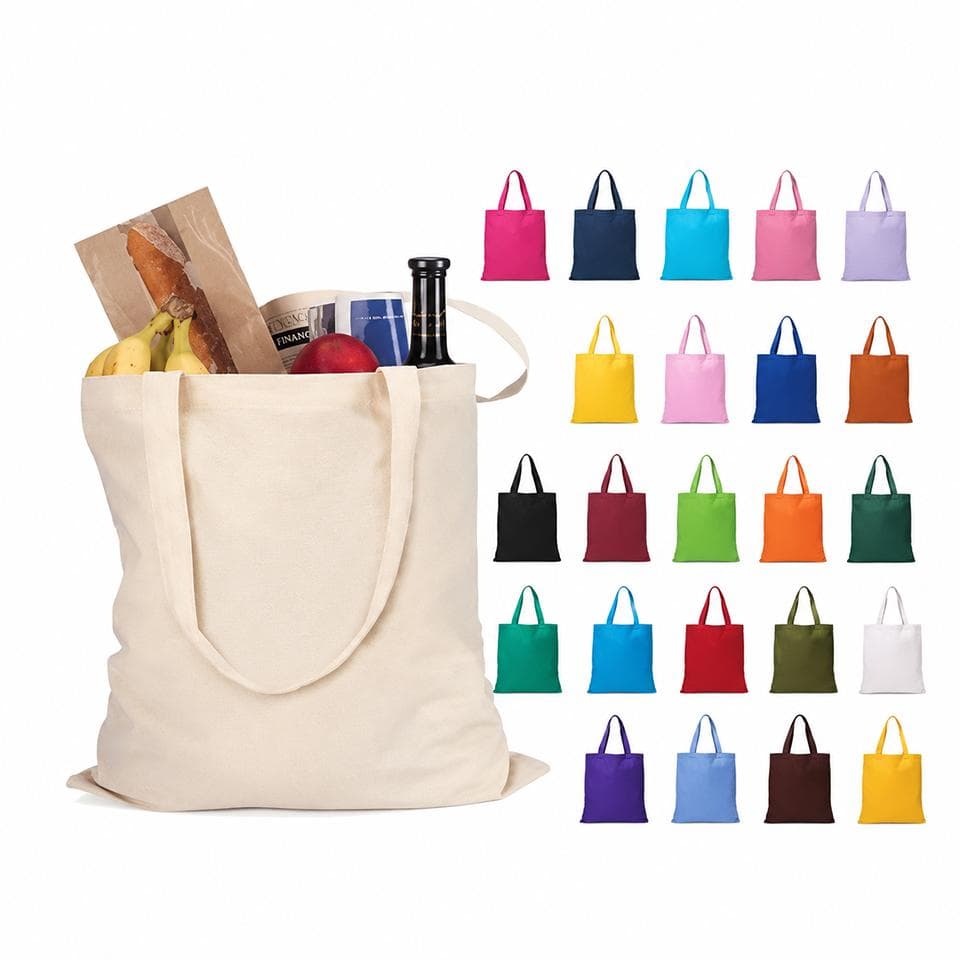
A customised tote bag looks simple, but small decisions change how it feels, carries and presents a brand. Material weight, handle length, gusset depth, closure and print method all affect the finished result.
This guide is for teams sourcing customised tote bags in Singapore for events, retail packaging, corporate programmes, schools or public campaigns. It explains the questions to settle before artwork and production begin.
Define what the bag needs to carry
Begin with the contents. A document bag, grocery tote, welcome-kit carrier and premium retail bag need different dimensions and construction. List the largest or heaviest item first, then allow room for comfortable packing.
The same dimensions can also feel different depending on handle length and gusset depth. Shoulder carry usually needs longer handles, while heavier contents may benefit from reinforced stitching or wider webbing.
- Flat documents or brochures: focus on width, height and print visibility.
- Boxed gifts: add a base or side gusset for usable depth.
- Groceries and heavier items: strengthen handles and stress points.
- Daily commuting: consider an internal pocket, closure or longer shoulder straps.
- Foldable giveaways: prioritise light weight and compact storage.
Compare common tote bag materials
Material should support the use case and the desired brand impression. Ask for a physical swatch or sample when texture and colour are important, because photographs do not show fabric weight accurately.
- Cotton: soft, familiar and suitable for casual everyday use.
- Canvas: heavier and more structured, often chosen for longer-term use.
- Non-woven polypropylene: lightweight and practical for campaigns and high-volume distribution.
- Polyester: durable, easy to colour and suitable for foldable or water-resistant designs.
- Jute: textured and distinctive, useful when a natural visual direction is appropriate.
- Recycled-content fabrics: worth considering when material documentation and programme goals align.
Do not choose by material name alone. Confirm thickness, weave, colour, lining and finishing on the actual proposed bag.
Construction details that improve usability
A few structural choices can make a basic tote more useful. Gussets add capacity, closures help secure contents and internal pockets keep small items accessible. Reinforcement is important when the bag will carry heavier products.
Custom-made bags can also use contrast handles, woven labels, piping, lining or shaped panels. Each addition affects production complexity, so decide which features support the purpose rather than adding detail for its own sake.
Choose a printing method that suits the artwork
The best printing method depends on the material, artwork complexity, colour count, print size and required finish. Provide vector artwork whenever possible and tell the supplier if exact brand colours are essential.
- Screen printing: effective for bold artwork and a limited number of solid colours.
- Heat transfer: useful for detailed or multi-colour graphics on suitable materials.
- Digital printing: supports photographic detail and complex colour work where the fabric allows it.
- Embroidery: creates texture and durability but needs artwork that remains legible when stitched.
- Woven labels and patches: provide a more integrated brand detail on custom constructions.
Prepare artwork for the real print area
A tote bag is not a flat sheet of paper. Seams, gussets, handles and folds reduce the safe print area. Keep important text and logos away from stitching, and review the proof at actual scale.
Very fine lines, small text and subtle colour differences may not reproduce consistently on textured fabric. Ask the artwork team to flag elements that should be simplified before approval.
Understand what affects quantity and lead time
Ready-made bags with logo printing usually follow a different production path from fully customised bags. Custom dimensions, dyed fabric, special hardware, lining and unique construction can require higher production quantities and longer preparation.
Rather than choosing a design before discussing quantity, share the required volume and date first. A supplier can then separate realistic ready-stock options from custom-manufactured alternatives.
Check the sample before approving production
A good sample review is practical, not only visual. Put the intended contents inside, carry the bag, test the closure and inspect the print under normal lighting.
- Confirm finished dimensions and usable internal space.
- Check handle length, width and reinforcement.
- Inspect stitching, seams, lining and closure.
- Compare print position and colour against the approved artwork.
- Confirm packaging, folding and labelling requirements.
- Record every approved detail in writing before production.
Frequently Asked Questions
Before you brief your supplier.
Which material is best for a customised tote bag?
There is no single best material. Cotton and canvas suit reusable everyday bags, non-woven material suits lightweight distribution, polyester supports durable and foldable formats, and jute provides a distinctive natural texture. Choose according to contents, expected use and branding method.
Can I customise the size and handles?
Fully customised production can support specific dimensions, handle lengths, gussets and additional features. Ready-made bags offer fewer structural changes but may be faster for logo printing.
Why should I request a sample?
A sample lets you check material feel, dimensions, carrying comfort, construction and print quality before the full quantity is produced. It is especially useful for event-critical or highly customised orders.
What logo file should I send for printing?
A vector file such as AI, EPS or print-ready PDF is usually preferred because it scales cleanly. Include brand colour references and any minimum-size or clear-space rules.
Plan Your Order
Turn the brief into a practical shortlist.
Share your audience, quantity, branding requirements and required date. Mononos can help narrow the options before sampling and artwork.