Sustainable Merchandise
Eco-Friendly Corporate Gifts in Singapore: How to Source Responsibly
Look beyond green labels and choose merchandise through usefulness, durability, material evidence and lower-waste fulfilment.
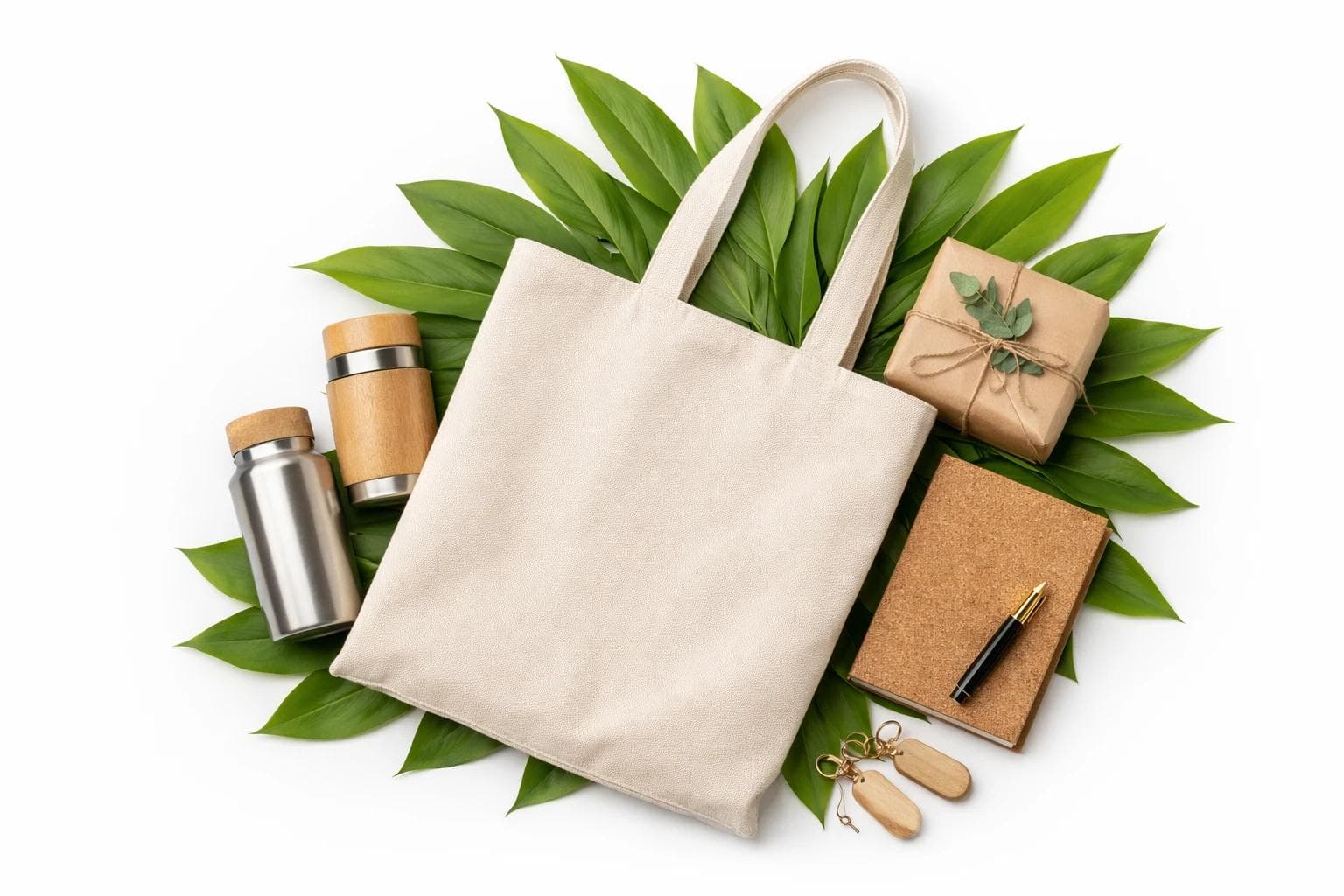
Sustainable gifting starts before a product is selected. It begins by asking whether the item is useful, how long it is likely to stay in use, what it is made from and how much packaging and transport the programme requires.
For organisations sourcing eco-friendly corporate gifts in Singapore, responsible procurement means looking beyond a green colour palette or a broad environmental claim. The goal is to make choices that are relevant, supportable and appropriate for the recipients.
Define what sustainable means for your programme
Different organisations prioritise different outcomes. One programme may focus on reducing disposable items, another on recycled content, minimal packaging or longer product life. Write the priority into the brief so the supplier can recommend against a clear objective.
A useful product that replaces a frequently discarded item may be more valuable than a novelty made from an unusual material but rarely used. Purpose and durability belong in the sustainability discussion.
Start with usefulness and expected lifespan
Ask when, where and how often the recipient will use the item. Everyday bags, durable drinkware, practical office accessories and well-designed apparel can remain in circulation when they suit the recipient's routine.
Avoid over-ordering. A more accurate quantity, even with a simpler product, can reduce unused stock and unnecessary storage. For recurring programmes, phased distribution may also help match supply to actual demand.
Ask better questions about materials
Material names can sound reassuring without explaining the full product. Ask what percentage is recycled or renewable, whether supporting documentation is available and how the material affects durability, care and end-of-life options.
- What is the material composition of the finished product?
- Is recycled content stated as a percentage?
- Is there documentation for the material claim?
- Does the product require special care that affects practical use?
- Can components be separated, repaired or recycled locally?
- Does the alternative remain durable enough for its intended purpose?
Use precise wording in campaign copy. Describe the verified material or feature instead of making a broad environmental promise.
Practical eco-conscious gift directions
The strongest options usually combine a clear use case with a lower-waste behaviour. The final choice should still match recipient needs, safety requirements and brand guidelines.
- Reusable tote bags designed for groceries, commuting or event materials.
- Durable bottles, tumblers or food containers that reduce reliance on disposable items.
- Notebooks and stationery with clearly stated recycled-content materials.
- Reusable travel and organisation accessories that replace single-use packaging.
- Apparel selected for repeat use, suitable sizing and durable decoration.
- Gift sets with fewer, better-matched items instead of unnecessary fillers.
Reduce packaging before adding more sustainable packaging
The first packaging question is whether every layer is necessary. Remove redundant sleeves, plastic bags and decorative fillers where product protection allows. Then consider right-sized boxes, recyclable paper materials or reusable packaging.
Branding can be applied to a practical outer box, band or card instead of several separate components. This often creates a cleaner presentation while reducing material.
Plan storage and distribution as part of the impact
An item can have responsible material credentials and still create avoidable waste through fragmented delivery or excess stock. Consolidate delivery where practical and confirm how remaining quantities will be stored or distributed.
If recipients are spread across locations, provide accurate address data early and choose packaging that protects the item without becoming oversized. Good logistics supports both sustainability and recipient experience.
Build an evidence-led sourcing brief
A responsible brief does not need to be complicated. State the intended behaviour, product lifespan, material preference, packaging limits, quantity and delivery plan. Ask the supplier to identify what can be verified and where trade-offs remain.
- Define the recipient and intended use.
- State the sustainability priority in one clear sentence.
- Request material composition and available supporting information.
- Set limits for packaging and unnecessary components.
- Confirm quantity using realistic recipient numbers.
- Review samples for quality, usability and durability.
- Use accurate, specific language in internal and public communications.
Frequently Asked Questions
Before you brief your supplier.
What makes a corporate gift eco-friendly?
Consider the whole programme: usefulness, durability, material composition, quantity, packaging and distribution. A credible option should have a clear purpose and specific, supportable material or waste-reduction attributes.
Are reusable products always sustainable?
Not automatically. A reusable product needs to be durable and useful enough to be used repeatedly. Quality, recipient fit and responsible quantity planning are still important.
How can we avoid greenwashing in corporate gifting?
Use precise claims that can be supported. State the actual material composition or packaging improvement instead of using broad terms such as green or planet-friendly without explanation.
Which eco-friendly gifts work for large groups?
Versatile products such as reusable bags, drinkware and practical stationery can suit broad audiences. Confirm that the dimensions, materials and branding remain appropriate for the recipients and distribution method.
Plan Your Order
Turn the brief into a practical shortlist.
Share your audience, quantity, branding requirements and required date. Mononos can help narrow the options before sampling and artwork.